
In poetry, the local is the universal. As William Blake wrote: “To see a World in a Grain of Sand / And a Heaven in a Wild Flower, / Hold Infinity in the palm of your hand / And Eternity in an hour.” John B. Lee is an old friend, published many times in Numéro Cinq, who lives in Port Dover, Ontario, just down the road from the farm where I grew up. We both have a special affection for Norfolk County, to me, always both local and an epic ground, filtered with blood of ancestors (see my anthology of Norfolk County history “A Geography of the Soul“). And in these poems, he remembers a relative of his, Ida Wright, born in Waterford, the farming town, where I went to high school. Ida went to China as a missionary — the rest I will let John tell. But notice, yes, how these poems rise by degrees to compass all life (and beyond), from a southwestern Ontario schoolroom to eternity.
we all share our nature with the dead
one name carved deep in the cave
of every empty desk is yours
and one name there is mine
We have also translations of the poems into Spanish (we’ve done this before as well), courtesy of John B. Lee’s Cuban friend and colleague Manuel de Jesus Velázquez Léon.
dg
The poems in this document are taken from a manuscript in progress called Into a Land of Strangers. The central figure in the poems is my great-aunt Ida Wight née Emerick, born in Waterford, Ontario, and raised by her father and mother in Bothwell, Ontario. After a brief stint as an elementary school teacher in Highgate, she joined the Mission to China and she became a missionary in China in the late 1800’s where she married a fellow missionary. Widowed during the Boxer Rebellion, she and her baby daughter fled on foot along with other westerners, surviving by eating boiled cotton and shoe leather. She spent two years in Canada before returning to China where she became superintendent of missionary schools. During the Second World War, she fled to Hong Kong where she was eventually placed in an internment camp by the Japanese. Liberated by the Americans in late 1944, she traveled to Durban, South Africa, where she remained until her death on January 1, 1952. Her grandchildren were also interned in a camp for the duration of the war. The book Into a Land of Strangers tells the story of three generations of the Emerick family beginning with the German-American late-come Loyalist Francis Emerick who served on the Canadian side in the Lincoln militia during the War of 1812 after which he farmed a farm in what is now Middlesex County in southern Ontario.
—John B. Lee
.
A Person on Business from Porlock
There is an imam
mosqued in the empire of the west
who preaches
that the greatest sin
in the land of the golden mountain
is the American lawn
even the burning earth
of south Texas, even there
on the torpid border of old Spain
that stolen-water-green thing thrives
with a great thickening
of wide-bladed
low-growth St. Augustine grass
even there
in the blue boil
of the unusable summer pools
of suburbia
in that necessary evaporate cool
all along the arroyos
the dry brown rivers
of parched clay
thirsty mud cracking open
like oil on old canvas
in the brilliant mirror of an unreflecting sky
the monolithic malady of modern paradise
insists itself
between the dream houses
of every middleclass mind
if one thinks of Cathay
and the Khan’s palace
in the city of Chandu
where mare’s milk spills
like moonlight on marble
and light falls in chords through cracks
like strands of silk that brace the bamboo palace
where leopards slip the saddle
in let-loose leaps
and the jessed hawks fly
over the claw shade of a shadow-measured wall
as I think now
of my own neighbour
mowing his yard for
the fourth time today
or as it was
with the woman next door
who plucked cut blades
one by one
from the sweet fragrance
of her wet-sock work with a similar care
one might use to pull stray thread
from a new garment
and I also recall
the mad lady nursing lost leaves
at midnight
in the candle-glow under star-dark heaven
when the world is otherwise laudanum black
and behind the forehead
like stones in a deep stream
something sleeps
turning green
.
Una persona de Porlock en negocios
Hay un imam
en una mezquita del imperio del oeste
que predica
que el pecado más grande
en la tierra de la montaña áurea
es el césped estadounidense
incluso la tierra ardiente
del sur de Texas, incluso allí
en la frontera letárgica de la vieja España
esa cosa verde del agua robada prospera
con un gran espesamiento
yerba de San Agustín
de anchas hojas
incluso allí
en el corral azul
de inservibles piscinas de verano
de los suburbios
en ese fresco necesario que se evapora
a lo largo de los arroyos
los secos ríos pardos
de árido barro
fango sediento que se resquebraja
como el óleo en el lienzo viejo
en el espejo brillante de un cielo sin reflejos
el mal monolítico del paraíso moderno
insiste
entre las casas de sueños
de cada mente de clase media
si uno piensa en Catay
y el palacio del Kan
en la ciudad de Chandu
donde la leche de yegua chorrea
como luz de luna sobre el mármol
y la luz cae en acordes a través de las grietas
como hebras de seda que apuntalan el palacio de bambú
donde los leopardos se deslizan de la montura
en saltos sueltos
y los halcones encorreados vuelan
sobre la penumbra desgarrada de una pared medida por su sombra
mientras pienso ahora
en mi propio vecino
cortando el césped de su patio por
cuarta vez hoy
o como fue
con la mujer de la casa de al lado
que recogió las briznas cortadas
una a una
desde la fragancia dulce
de su trabajo de medias mojadas con cuidado similar
al que pondríamos para sacar hilos extraviados
de una nueva prenda de vestir
y también recuerdo
la señora loca cuidando hojas perdidas
a medianoche
al fulgor de una vela bajo un cielo oscuro de estrellas
cuando el mundo está por otra parte negro como el láudano
y detrás de la frente
como piedras en una corriente profunda
algo duerme
tornándose verde
.
The Superintendent
looking at the comfortable room
in the luxurious home
she had built for herself
in the orient
my cousin said
of our late aunt
posing like widowed gentry
lolling amongst her precious things
“I thought missionaries
were supposed to be poor …”
her silk pillows
embroideries
gilt upholsteries, silver
tea service, fine cloth
painted vase, and
exotic
high-buttoned
tight-bodice
dress, the tats
and flounces—doyen
of the wealthy classes
mistress of a private school
privy to
the Sino-Victoriana
of a distant land that changed the mind
like the slow conversion of green
in slanting shade
where everything greys
in the lonesome lamentation of a solitary light
growing older
in a homeland no longer home
in the piano parlour silence
with that deep-toned quiet
of untouched ivory, each key
yellow as a smoker’s tooth
who does not fear
or loathe to hear
the superintendent of schools
with her disapproving
and ultra-grammatical
crepitation, clearing her throat
with a phlegmy “ahem”
from the back of the room
her spine as stiff as a pointer
she strides
her heels cracking the floor
as she seizes the chalk of the day
and with white streak
screeching
is it a sin or is it a dream of sin
to see through the third eye
how the children tremble
shading their work
for a smudge of errors
the grand failures
we feel
in the pedagogical squint
of the once-a-term stranger
in a classroom smelling of spilled ink
and the bass notes of old plasticine
fragrant in bent fingers
and multi-coloured snakes of clay
rolled flat on the modeling board
one name carved deep
in the cave of every desk
for we are the bullied, the shy
the wild, the plump
the brilliant, the lost
the bratty, the eager-to-please
the quiet, the pimpled
the unclean, the poor
the criminal, the crippled, the maimed
the doomed-to-die young
the bad seed, the sniffling, sniveling
easy-to-hate tattle tale
the pampered
the beaten, the bewildered
the too-stupid-for words
learning one lesson in a tall cone-shaped hat
under tousled hair
and one in the tasseled
mortarboard
we all share our nature with the dead
one name carved deep in the cave
of every empty desk is yours
and one name there is mine
.
La superintendente
mirando el aposento confortable
en la casa lujosa
que ella construyó para sí
en el oriente
mi primo dijo
de nuestra tía difunta
posando como viuda aristocrática
reclinada entre sus objetos preciosos
“creía que los misioneros
se suponía que fueran pobres…”
sus almohadas de seda
bordados
dorada tapicerías acolchadas, servicio de
té de plata, finas ropas
jarrones pintados, y
exótico
vestido abotonado hasta arriba
con corpiño
ajustado, los encajes
y cenefas—decana
de clases acaudaladas
maestra de una escuela privada
consejera en
la Sino-Victoriana
de una tierra distante que cambió la mente
como una lenta conversión del verde
en matices sesgados
en los que todo se torna gris
en la triste lamentación de la luz solitaria
envejeciendo
en una patria que ya no es hogar
en el silencio del salón del piano
con ese silencioso tono profundo
de marfil intacto, cada tecla
amarilla como los dientes de un fumador
que no teme
o detesta escuchar
la superintendente de escuelas
con su traqueteo reprobador
y ultra-gramatical,
aclarándose la garganta
con flema “ejem”
desde el fondo del cuarto
su espalda tan tiesa como un puntero
camina a grandes pasos
sus talones golpeteando el suelo
mientras toma la tiza del día
y con un trazo blanco
chirreando
es este un pecado o el sueño de un pecado
ver a través del tercer ojo
como los niños tiemblan
sombreando sus trabajos
por un borrón de errores
los grandes fallos
que sentimos
en la bizquera pedagógica
del extraño de una vez un trimestre
en un aula que huele a tinta derramada
y las notas bajas de la plastilina vieja
fragante en los dedos doblados
y las serpientes de barro multicolores
enrolladas y aplastadas en la tabla de modelar
un nombre gravado profundamente
en la caverna de cada pupitre
porque somos los intimidados, los tímidos
los salvajes, los regordetes
los brillantes, los extraviados
los niños malos, difíciles de complacer
los callados, los espinillosos
los sucios, los pobres
los criminales, los lisiados, los mutilados
los condenados a morir jóvenes
la mala semilla, los que se sorben los mocos, los llorones
fáciles de odiar parloteadores
los consentidos
los golpeados, los atolondrados
los demasiado estúpidos para las palabras
aprendiendo una lección en un sombrero de alta copa
bajo el pelo desgreñado
y uno en el birrete
adornado con borlitas
todos compartimos nuestra naturaleza con los muertos
un nombre gravado hondo en la caverna
de los pupitres vacíos es tuyo
y un nombre allí es mío
.
The Impossible Black Tulip
“The men of old see not the moon
of today; yet the moon of today
is the moon that shone on them.”
……………………—Chinese proverb
I wonder, Ida
when you joined the mission bound for China
did you know the name
Matteo Ricci, the Jesuit priest
from Italy
the man the Chinese still call
“the scholar from the west”
a sixteenth century Catholic polymath
wearing the robes of a Buddhist monk
impressing the mandarins
of the Ming
mastering the culture and
language of the middle kingdom
and then, mapping the world beyond the world
tracing coastlines on the impossible black tulip
of cartography wherever Magellan sailed
and Columbus lost his way
where the Portuguese, the Spanish, the French
the English, the Dutch
went warring for land
and the madness of gold
and the minds
of the savage
and the bodies of slaves
the rivalries of red-haired kings
and red-robed churches
barbarians and buccaneers uncouth humans
in the era of inquisition
after Copernicus spun the globe
and Galileo gave heaven away for fear of burning alive
and there the new lands were named
even the home of your birth Jiānádá
first named and thereby known
by the learned classes
who opened their eyes to the west
and the faith of the west
inscribed with the allegory of the Holy Land
and he, the first westerner
to enter into
the Forbidden City
died a failure to evangelize
though he built a cathedral
in the capital
and still, long after
the gunboats have fallen silent
and the opium wars
have burned away
and the Boxers razed
your home and murdered your kind, and the Japanese
imprisoned you and your children
for the sins of empire—his name
lives on
in reverence—
like Li Po’s drowning moon
held loose
and glowing in the drunkard’s palm
of a midnight pond
the one we might see
if we dare to dream
of a darkness yet to come
.
El tulipán negro imposible
“Los hombres de la antigüedad no ven la luna
de hoy; sin embargo la luna de hoy
es la luna que brilló sobre ellos.”
…………………………………….—Proverbio chino
Me pregunto, Ida
cuando te uniste a la misión destinada a China
si sabías el nombre
Matteo Ricci, el sacerdote jesuita
de Italia
el hombre que los chinos aún llaman
“el sabio del oeste”
un erudito católico del siglo dieciséis
que usaba la túnica de un monje budista
impresionando a los mandarines
de los Ming
que dominaba la cultura y
la lengua del reino medio
y luego, trazaba mapas del mundo más allá del mundo
dibujando la línea de las costas sobre el tulipán negro imposible
de la cartografía dondequiera que navegara Magallanes
y Colón perdiera su ruta
donde los portugueses, los españoles y los franceses
los ingleses, los holandeses
se fueron peleando por tierra
y la locura del oro
por las mentes
de los salvajes
y los cuerpos de los esclavos
las rivalidades de los reyes pelirrojos
y de las iglesias de mantos rojos
bárbaros y bucaneros humanos groseros
en la era de la inquisición
luego de que Copérnico hiciera girar el globo
y Galileo entregara al cielo por temor a que lo quemaran vivo
y entonces se nombraron las nuevas tierras
incluso el hogar de tu nacimiento Jiānádá
primero nombrado y por tanto conocido
por las clases ilustradas
que abrieron sus ojos al oeste
y la fe del oeste
inscrito con la alegoría de la Tierra Santa
y él, el primer occidental
que entrara en
la Ciudad Prohibida
murió en el fracaso de evangelizar
aunque construyó una catedral
en la capital
y aun, mucho más tarde de que
las cañoneras se han callado
y las guerras del opio
han consumido en llamas
y los Bóxer arrasaran
tu hogar y asesinaron a tu gente, y los japoneses
te hicieron prisionera con tus hijos
por los pecados del imperio—su nombre
perdura
en reverencia—
como la luna inundada de Li Po
suelta
y luciendo en la palma del borracho
de una laguna a medianoche
la que veríamos
si nos atrevemos a soñar
en una oscuridad aún por venir
.
Considering Ancient Chinese Erotica
in the spring palace
behind high walls
of the Forbidden City
the perfumed concubine
lolled with her bound-as-a-child body
lamed by beauty
the crimson water lily of the royal house
playing bring on the clouds and the rain
with the wealthy lords
of the Ming
in the court of songs
otherwise dishabille women
their misshapen bones
broken in slippers
crippled by pain her feet made small as a deer
for the visual delight of men
well-born girls
wearing bow shoes embroidered in silk
walking with the lotus gait
the short-step sway of pampered ladies
even in time the eldest daughter of the poor
wanting to marry highborn
achieved the crescent moon
of the cramped arch
with its erotic allure
an intimate and chaste concealment
lasting a thousand years
until the corseted Christians
came at the time of the heavenly foot
their own vital organs cramped
in whalebone
their tight breasts swaddled
in winding-cloth white wear
sending home souvenirs
amazing the congregation
amusing the minister
tantalizing all future museums
where horrified visitors troupe past
in clicking stilettos and blushing tattoos
.
Considerando la antigua erótica china
en el palacio de invierno
detrás de las altas murallas
de la Ciudad Prohibida
la concubina perfumada
se arrellanaba con el cuerpo envuelto como el de un bebé
lisiada por la belleza
el agua de lilas carmesí de la casa real
jugando a llevar al emperador al éxtasis del placer
con los señores acaudalados
de los Ming
en la corte de las canciones
por otra parte mujeres en traje de casa
sus huesos mal formados
rotos en las sandalias
lisiadas por el dolor en sus pies hechos pequeños como los de un venado
para el deleite visual de los hombres
muchachas bien nacidas
usando zapatos de arco bordados en seda
caminando con el modo del loto
el bamboleo de paso corto de las señoras consentidas
incluso con el tiempo las hijas mayores de los pobres
que querían casarse con los de alta cuna
alcanzaban la luna nueva
del arco agarrotado
con su encanto erótico
un casto disimulo íntimo
que dura mil años
hasta las cristianas encorsetadas
llegaron en la época de los pies celestiales
sus órganos vitales agarrotados
entre barbas de ballena
sus apretados pechos envueltos
en blanca ropa enrollada
enviando a casa suvenires
que sorprendían la congregación
divertían al pastor
tentando a todos los museos futuros
donde los visitantes horrorizados pasaban en grupo
en chasqueantes estiletes y tatuajes ruborizados
.
Into a Land of Strangers
the muddy root
of the lotus, also
desires the sky
………………..*
tropical lotus
blooms in the night
white flesh a white moon dreams
………………..*
black water, blue sky
two minds
consider one light
………………..*
undulating cutwater
darkens beneath
the white of a single cloud
………………..*
the lotus open
in the moon-wane of morning
how young a fading white
………………..*
how might the lotus thirst
in the ever-evaporate black
of a deep pool
………………..*
into a land of strangers
she comes
a stranger to herself
………………..*
in the seed pearl
of her beloved moon
the sand grain of her soul
………………..*
celestial stranger
your secret revealed
to a secret concealed
………………..*
an unpainted lotus
imagines the mind
wet brush dampens dry water
………………..*
here in the seam of true silk
the chrysalis clings
to the force of an unborn wing
.
A tierra extranjera
en la raíz lodosa
del loto, también
desea el cielo
………………..*
loto tropical
florece en la noche
blanca carne que una luna blanca sueña
………………..*
agua negra, cielo azul
dos mentes
consideran una luz
………………..*
ondulante rompeolas
se oscurece bajo
el blancor de una nube solitaria
………………..*
se abren los lotos
en el cuarto menguante de la mañana
qué lozano el blanco mortecino
………………..*
como puede el loto languidecer de sed
en el negro en evaporación
de una laguna profunda
………………..*
a tierra extranjera
ella llega
una extranjera para ella misma
………………..*
en la perla seminal
de su amada luna
el grano de arena de su alma
………………..*
extranjera celestial
tu secreto revelado
a un secreto guardado
………………..*
un loto no pintado
imagina la mente
el pincel mojado humedece el agua seca
………………..*
aquí en la sutura de la verdadera seda
cuelga la crisálida
ante la fuerza de un ala por nacer
—John B. Lee & Manuel de Jesus Velázquez Léon
.
 Manuel Leon, translator, and John B. Lee
John B. Lee is the author of over sixty published books and the recipient of over seventy awards for his writing. Inducted as Poet Laureate of the city of Brantford in perpetuity, he now lives in Port Dover, a fishing town located on the north coast of Lake Erie. He and Manuel have collaborated on translations on several occasions, the most substantial project being Sweet Cuba: The Building of a Poetic Tradition: 1608-1958 (Hidden Brook Press, 2010), a bilingual anthology of Cuban poetry in original Spanish with English translations.
Manuel de Jesus Velázquez Léon is a professor at University of Hoguin. A co-founder of the Canada Cuba Literary Alliance, he is editor-in-chief of the bilingual literary journal, The Ambassador. He and John B. Lee collaborated on the 360-page bilingual anthology Sweet Cuba: The Building of a Poetic Tradition: 1608-1958, (Hidden Brook Press, 2010). Sweet Cuba has been called “the most significant book of translated Cuban poetry ever published.” He lives in Holguin, Cuba, with his wife and their young son and is the publisher of Sand Crab books which recently printed a bilingual editon of Saskatchewan Poet Laureate Glen Sorestad’s book, A Thief of Impeccable Taste.
.


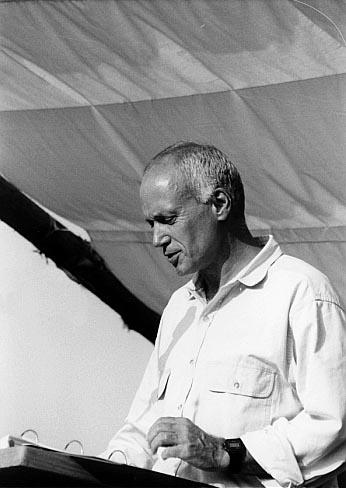 Douglas Glover, photo by Danielle Schaub
 Sydney Lea
 John B. Lee
 Marty Gervais
 Michael Schatte