May 232012
 

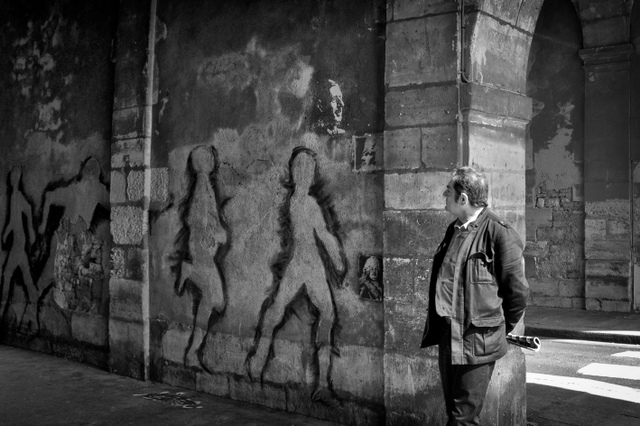
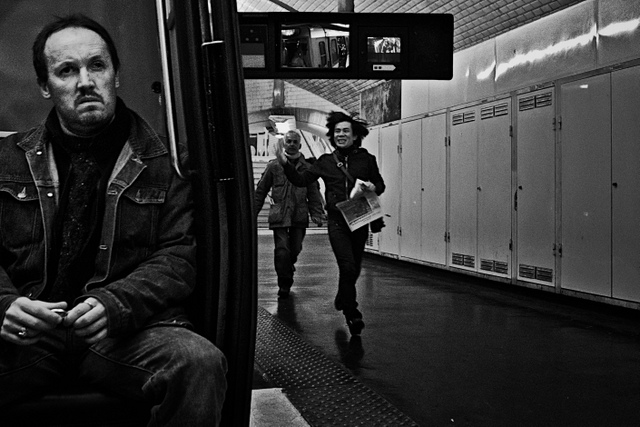
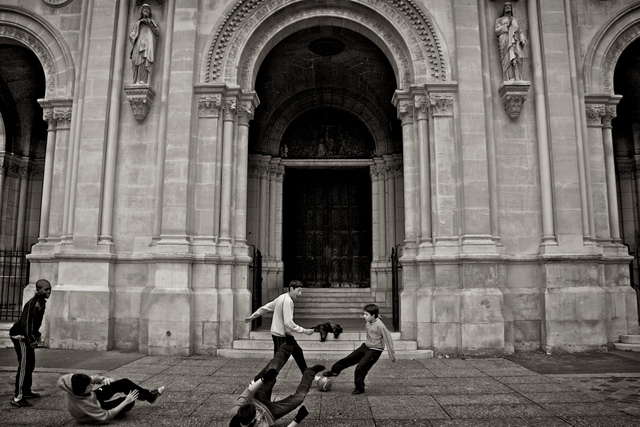
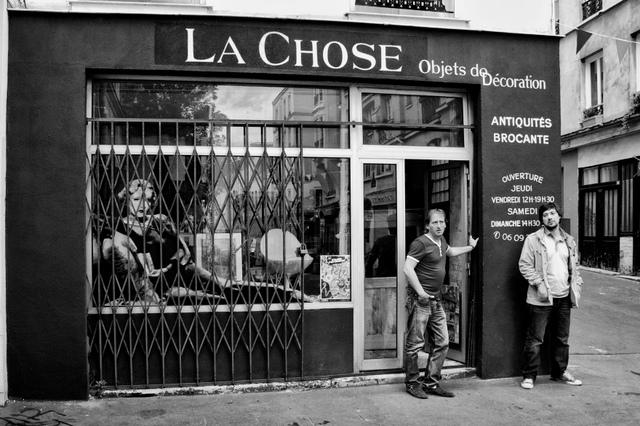
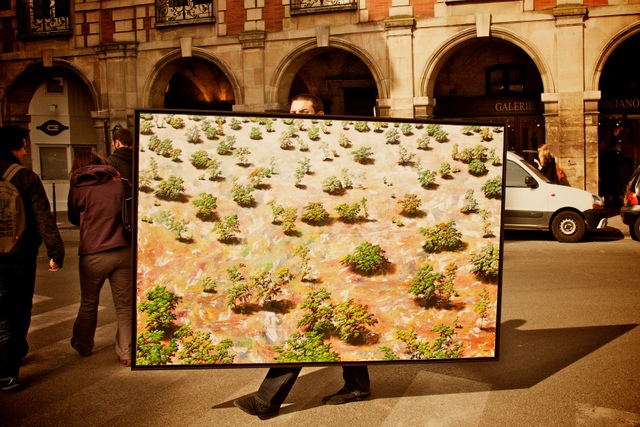
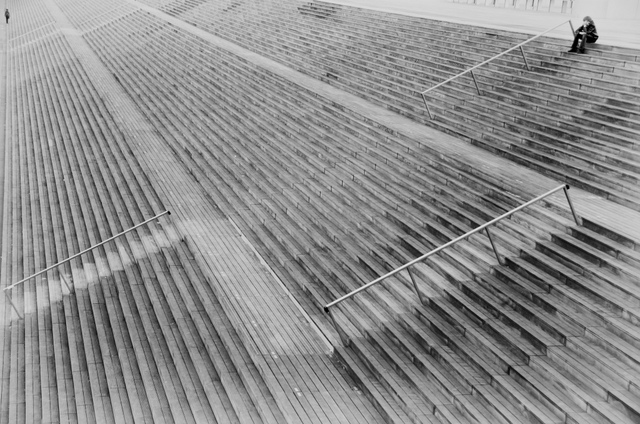
Here are some luscious photographs of Paris, not your tourist Paris, but the Paris streets, and not just the Paris streets but a selection of photos that are in many ways a homage to the history of Parisian street photography, that is, photographs with a particularity, an edge, derived from history and impersonation. These are from the Montreal poet/novelist Mark Lavorato (see his poem in the last issue) who started taking pictures as a moment of research for a new novel. He impersonated a 1920s Parisian street photographer who would be a character in his book, and, Lo! he became a photographer himself.

dg


I was researching my third novel, Burning-In (forthcoming), in which one of my characters is a photographer in the 1920s. What I soon learned in my research is that the art of street photography came before the advent of photojournalism. This was astounding to me; that the art aspect of photography came well before its utility.

I picked up a camera and took to the streets to learn about how my protagonist would feel as a street photographer, and I found that, surprisingly, it was me, and not my protagonist, who was doing all the feeling. So I dove into street photography with all the fascination and intensity of someone discovering a new and rich medium.

— Mark Lavorato


— Mark Lavorato

—————————————-

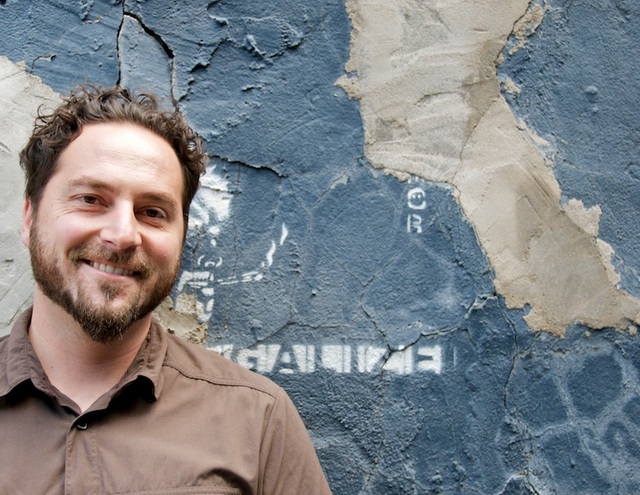
Mark Lavorato is the author of three novels, VeracityBelieving Cedric, and the forthcoming Burning-In. His first collection of poetry, Wayworn Wooden Floors, had just been published. One of the poems from that book was published in a previous issue of Numéro Cinq. Mark lives in Montreal and is currently seeking galleries to exhibit his work.
 

May 102012
 

Here’s a poem by Mark Lavorato, not about Nature so much as about Being, about the surprising thereness of our mysterious collisions with the wild, that sudden glimpse into the eyes of a startled animal, the eyes looking into your eyes. Unforgettable are lines like

and with two bounds of flaming grace

it slipped through a slot in the long grass
the candle flame of its tail doused
into a thin wick of shadow

I read herein faint echoes of D. H. Lawrence and also reminders of an American poet, Robert Wrigley, whose nature poems I admire greatly. Mark Lavorato is a Montreal writer (poems, novels, also he takes photographs and composes music). This poem is from his new book Wayworn Wooden Floors, due out imminently with Porcupine’s Quill.

dg


Happiness

A true story: Found a fox once
bright coil rusting in the spring grass

looked like it’d died in its sleep
its nose drowned in the fur of its tail

so I crouched down to touch
the still-glowing embers of its pelt

when, with a wild and frozen start, it woke up
I will never forget the electric green

of its eyes fixed to mine, and the
rushing sense that I was looking

into something I’d been scanning for
for miles or years or fathoms

and had found at precisely the moment
I wasn’t prepared to, butterfly net in the closet

My need to swallow splintered the exchange
and with two bounds of flaming grace

it slipped through a slot in the long grass
the candle flame of its tail doused
into a thin wick of shadow

Must have stayed there an hour
wondering if he’d come back

— Mark Lavorato

————————————-

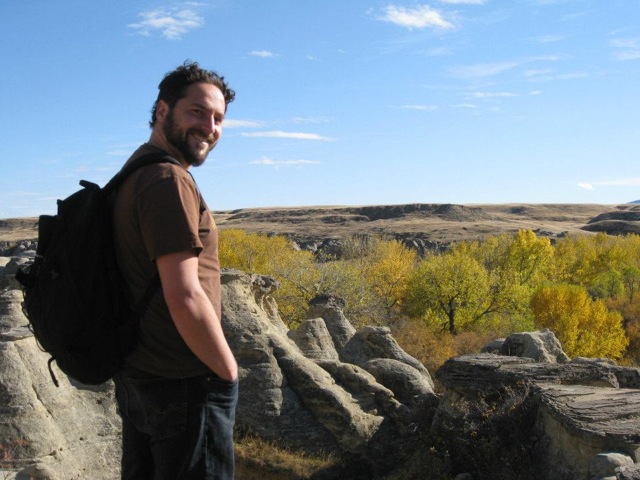
Mark Lavorato is the author of three novels, Veracity (2007), Believing Cedric (2011), and Burning-In (forthcoming). His first collection of poetry, Wayworn Wooden Floors, is published by the Porcupine’s Quill (2012). Mark lives in Montreal, where he also does work as a photographer and composer.