.
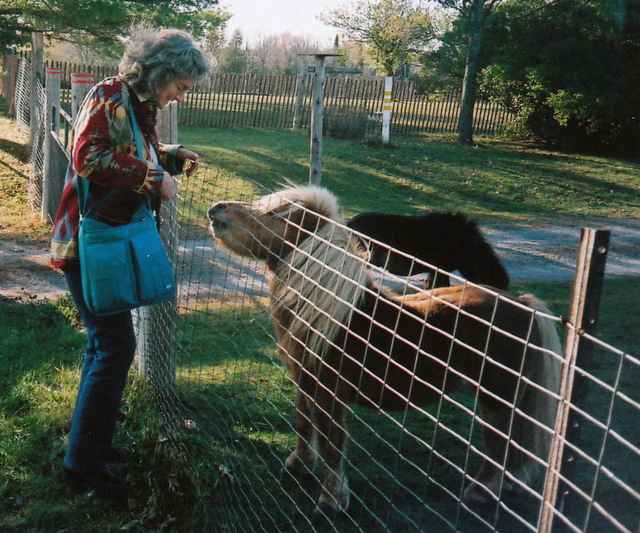
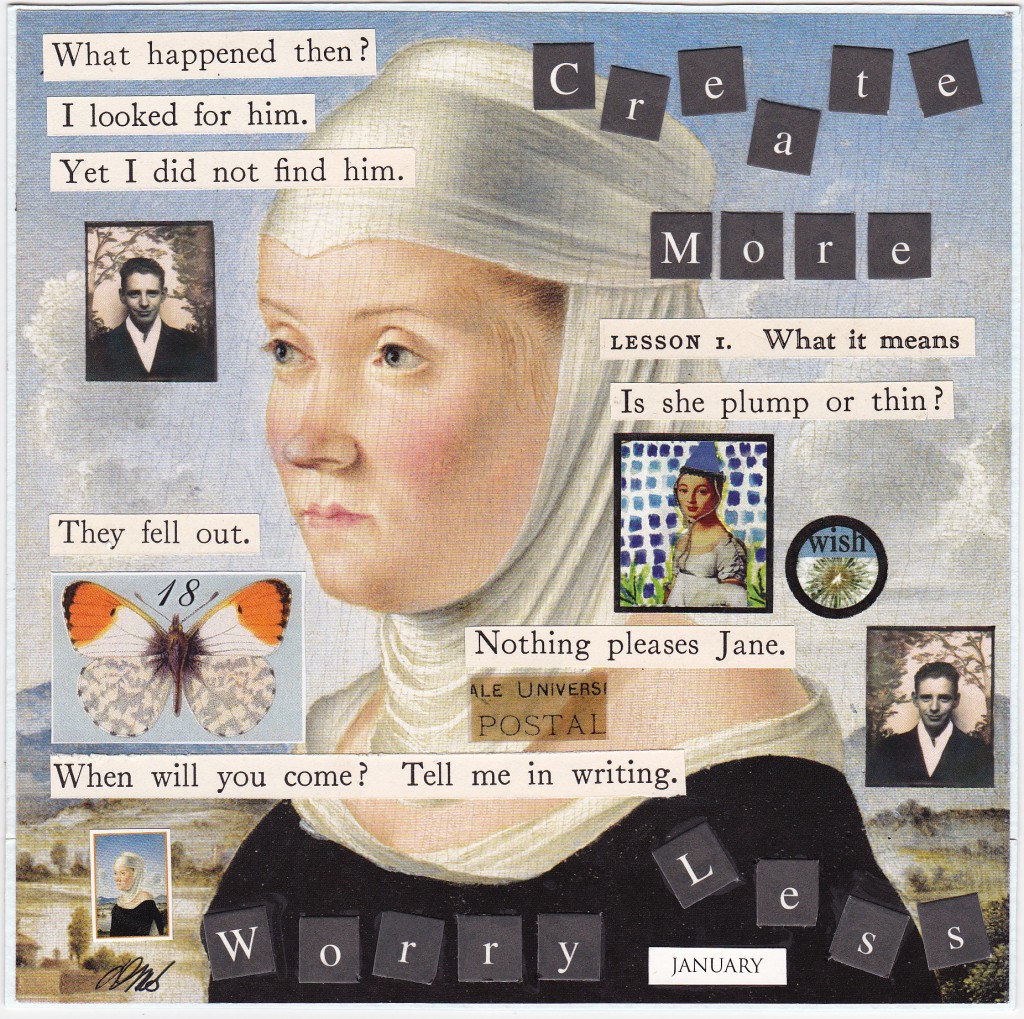
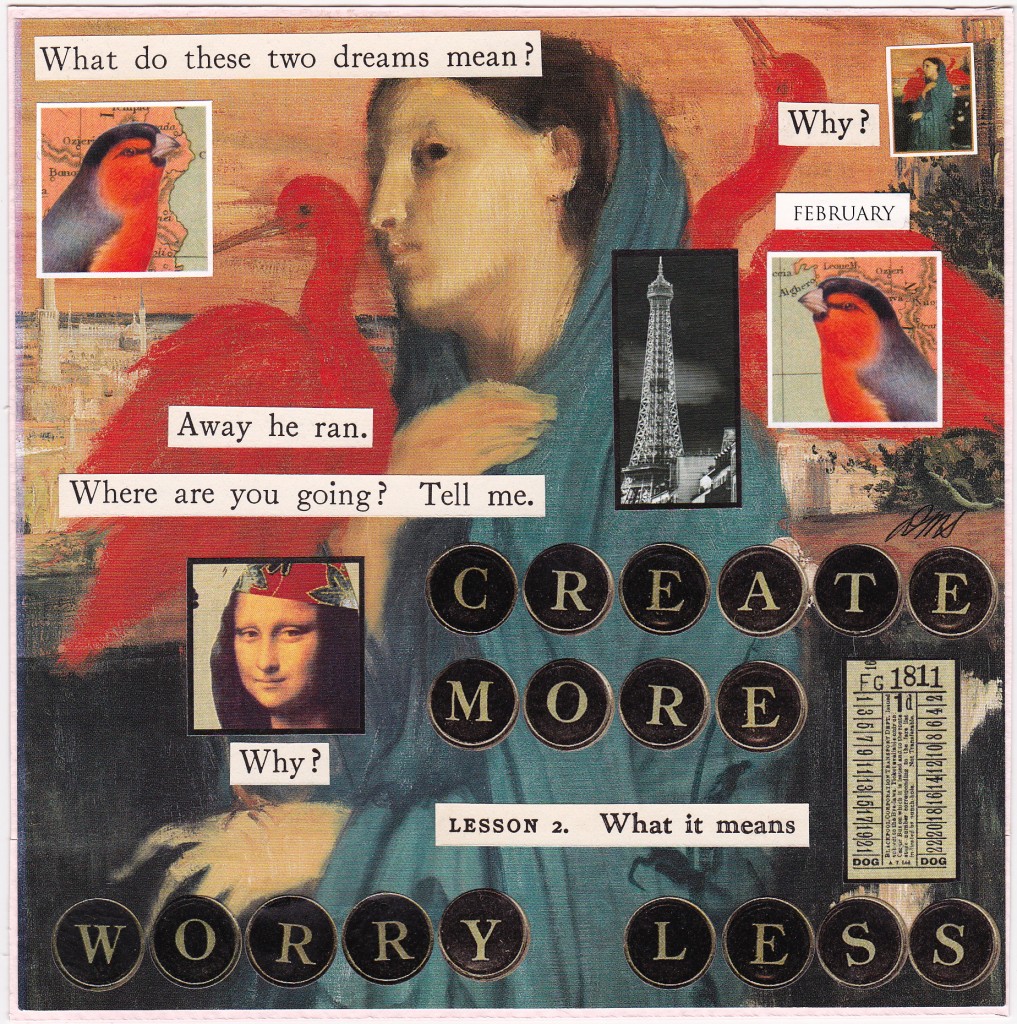
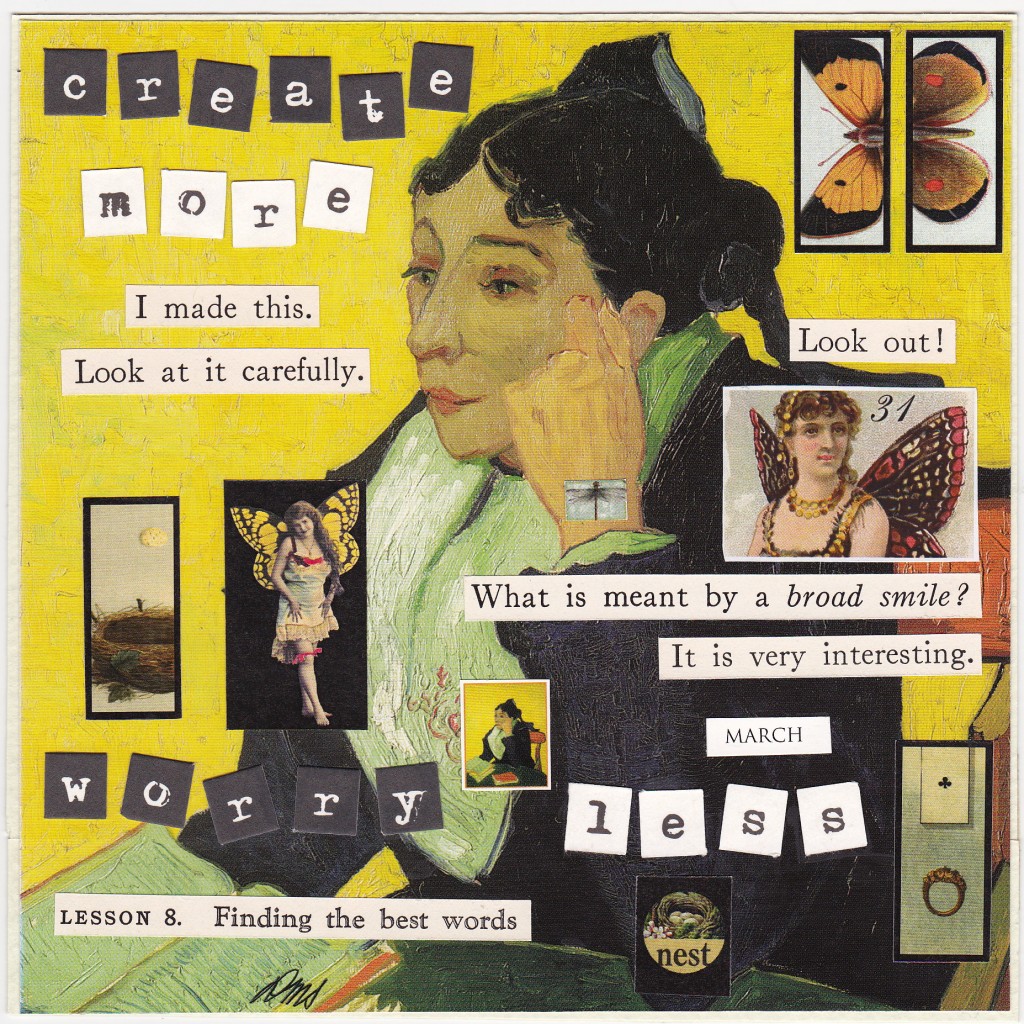
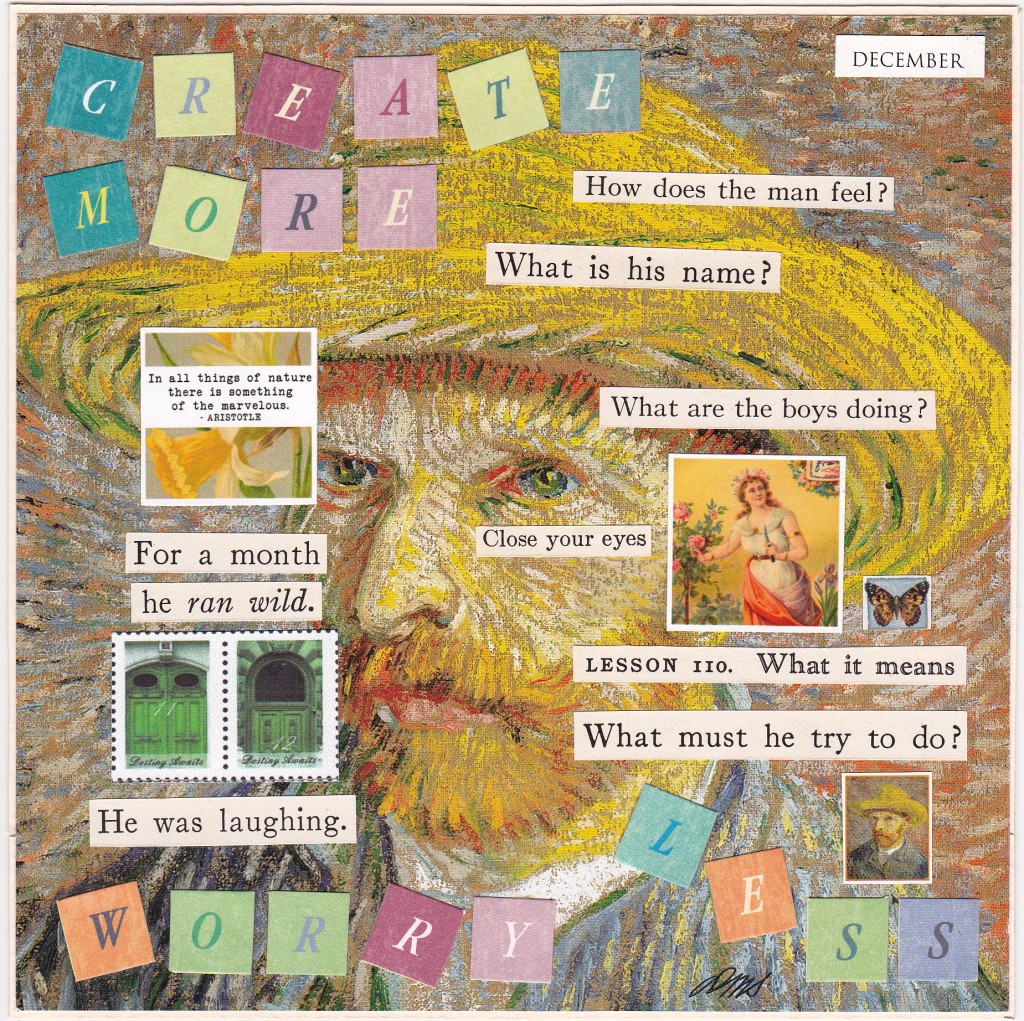
Diane Schoemperlen is a good friend, a novelist, short story writer, editor, and winner of the Governor-General’s Award for Fiction (1998) and the Writers’ Trust of Canada Marian Engel Award for an author in mid-career (2007). In 1995 dg and Diane edited the annual Coming Attractions story collection for Oberon Press in Ottawa. Technically inventive and exuberant, Diane structured her first novel, In the Language of Love, on the hundred words of the Standard Word Association Test. She writes poignant, emotionally articulate fictions which yet have a foot in the camp of experiment and formal play. The story published here appeared in Best Canadian Stories (edited by John Metcalf, Oberon Press, 2008) without the collages under the title “Fifteen Restless Nights.” This is the first time the text and visual elements have appeared together the way they were intended. They make a welcome addition to NC’s growing collection of off the page and hybrid works. And it’s a huge pleasure to introduce Diane to the NC community.
—dg
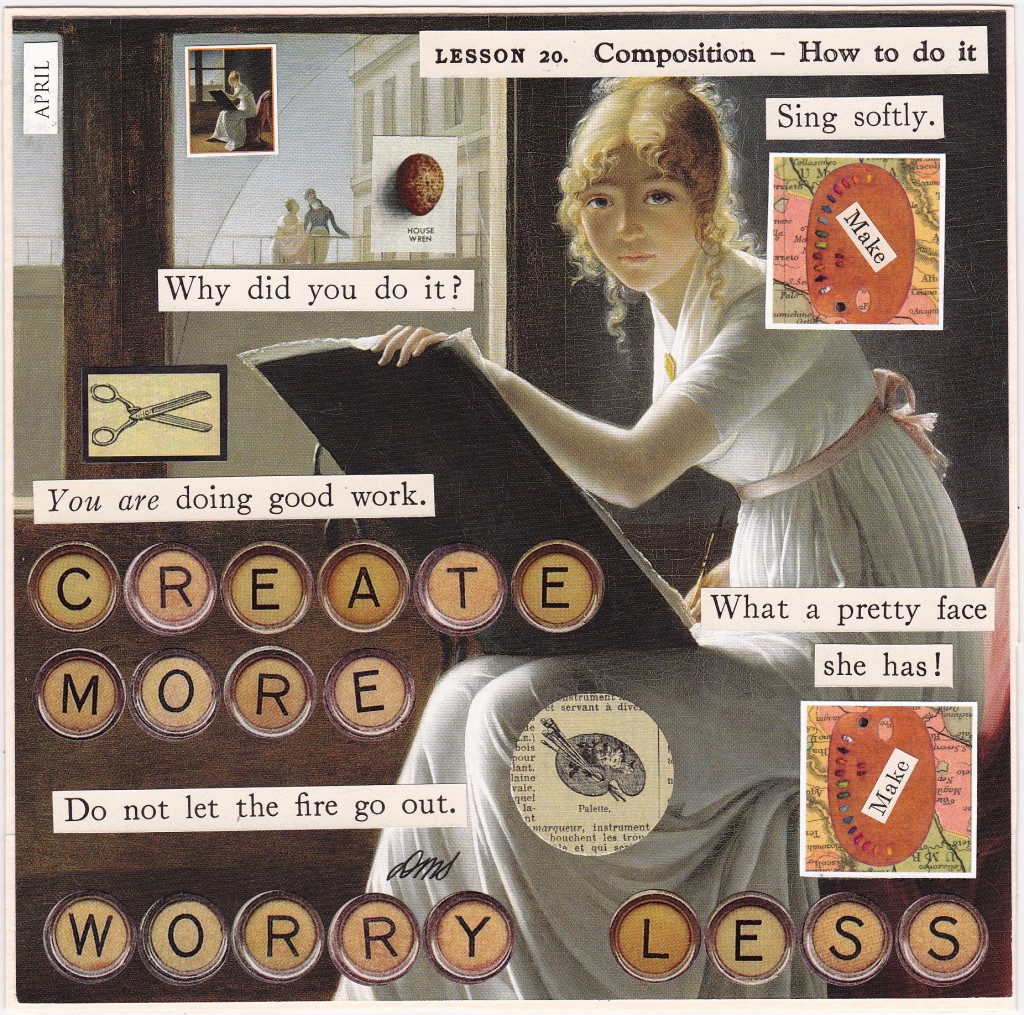
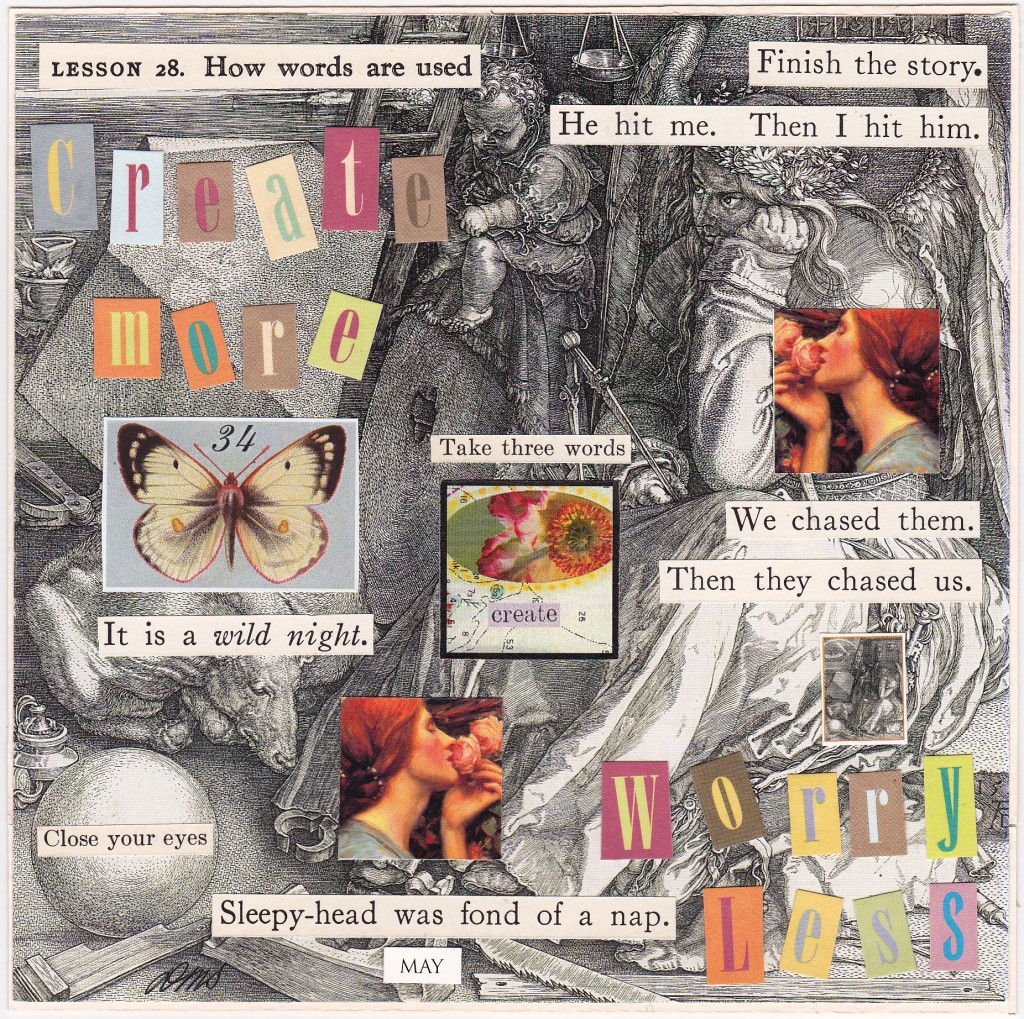
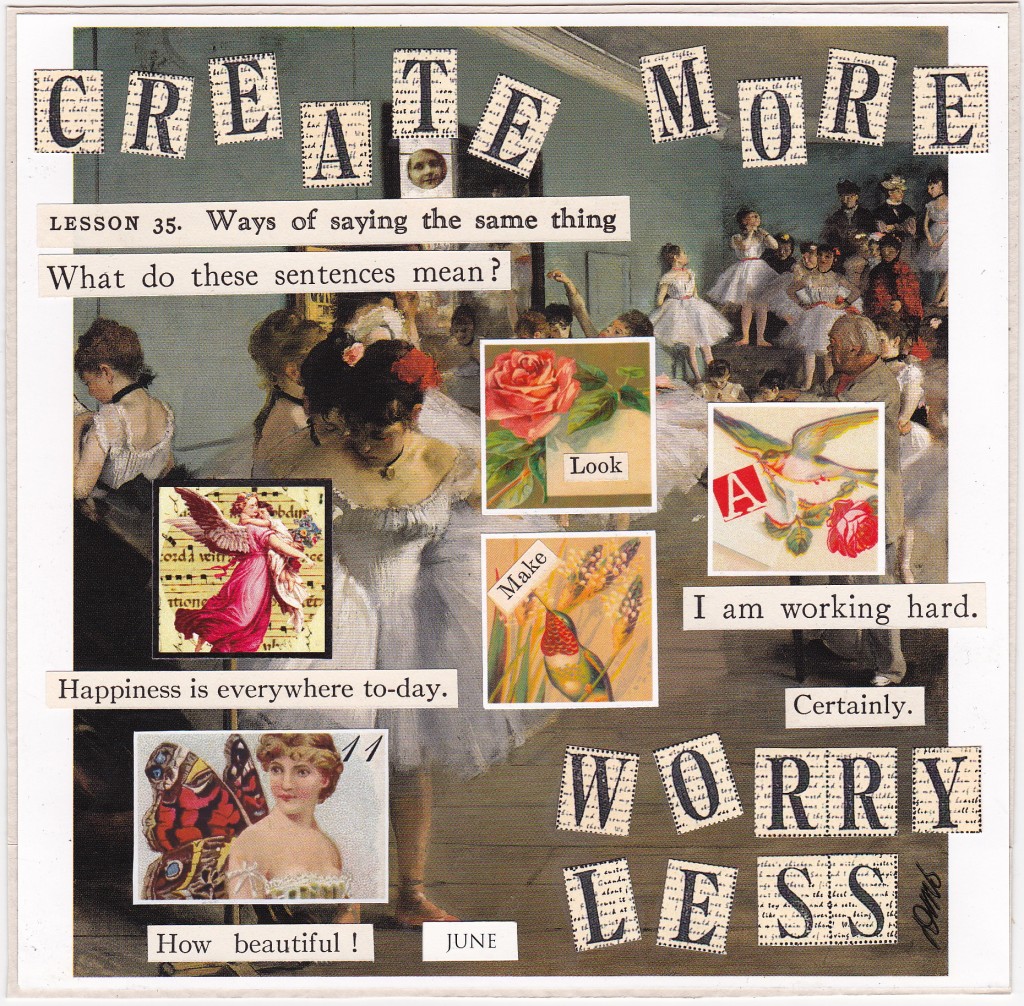
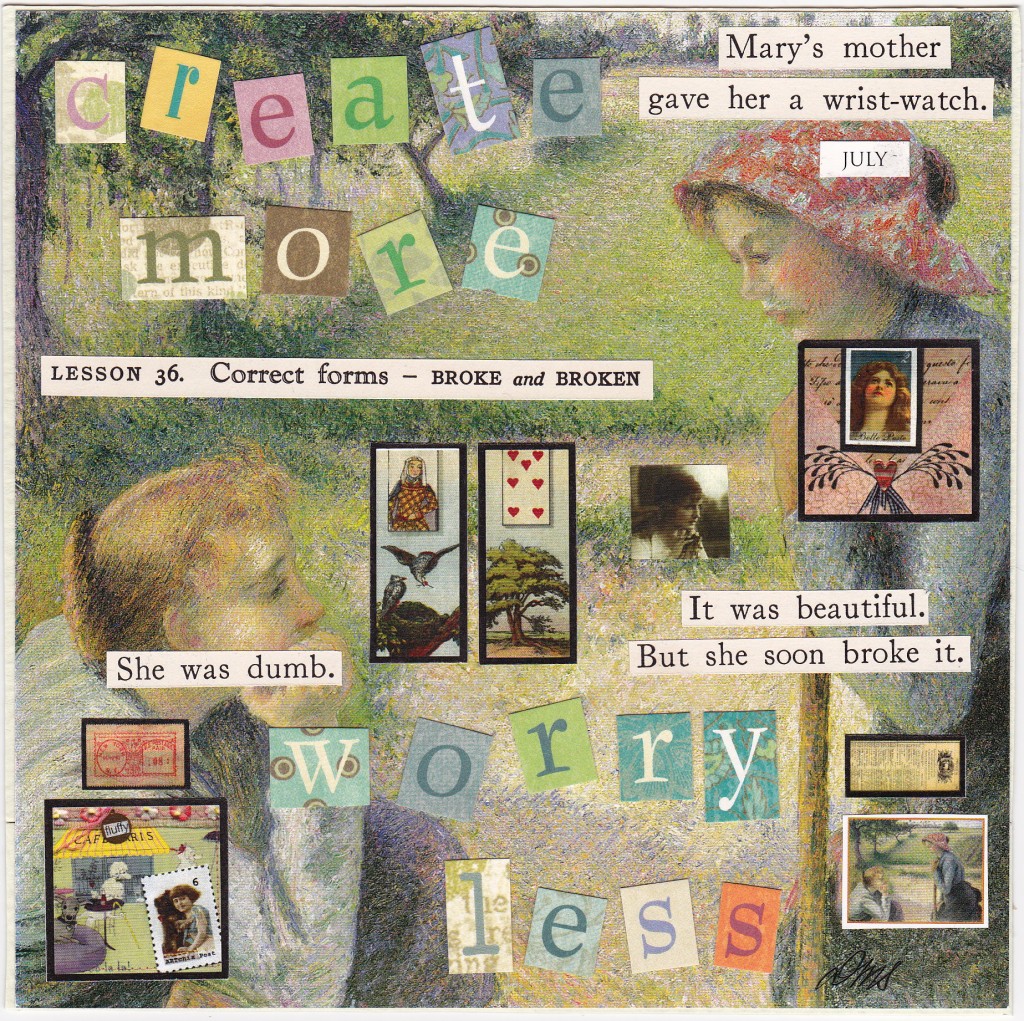
On Making Collages
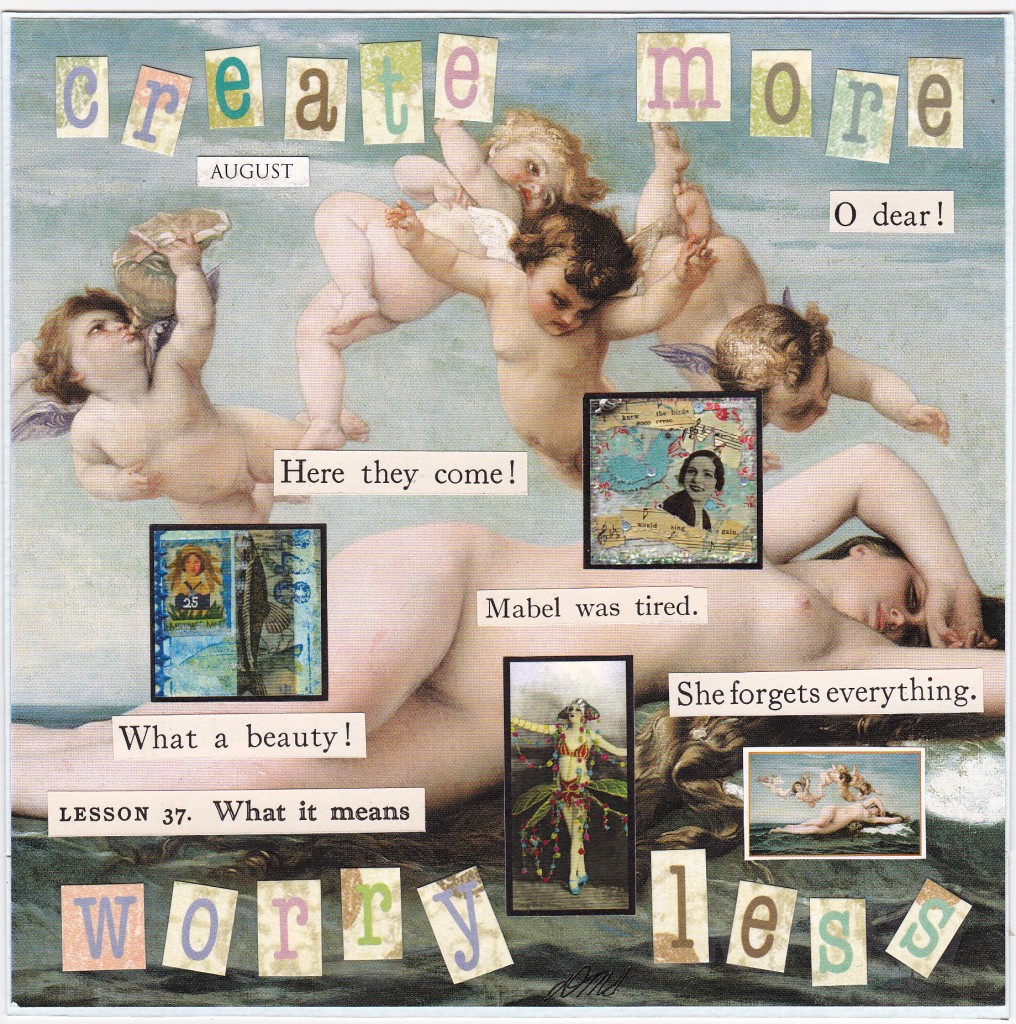
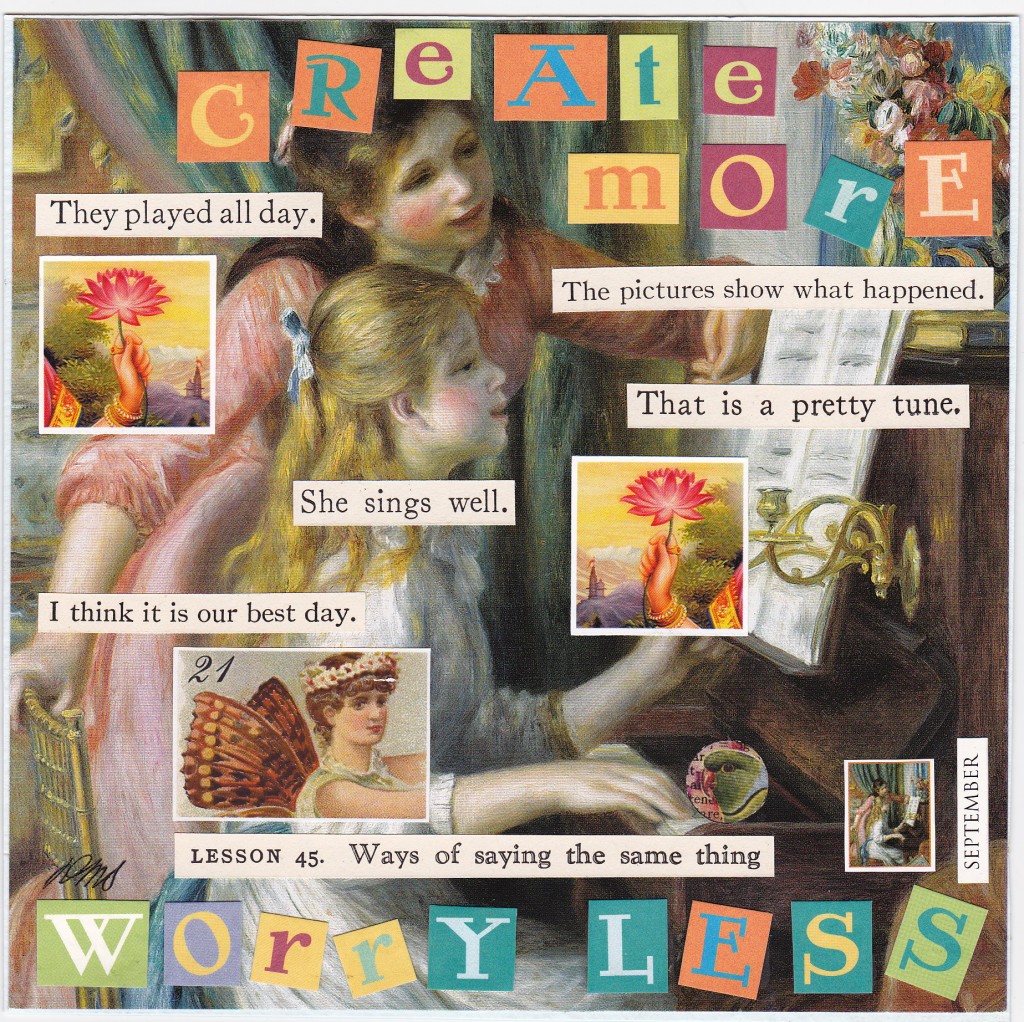
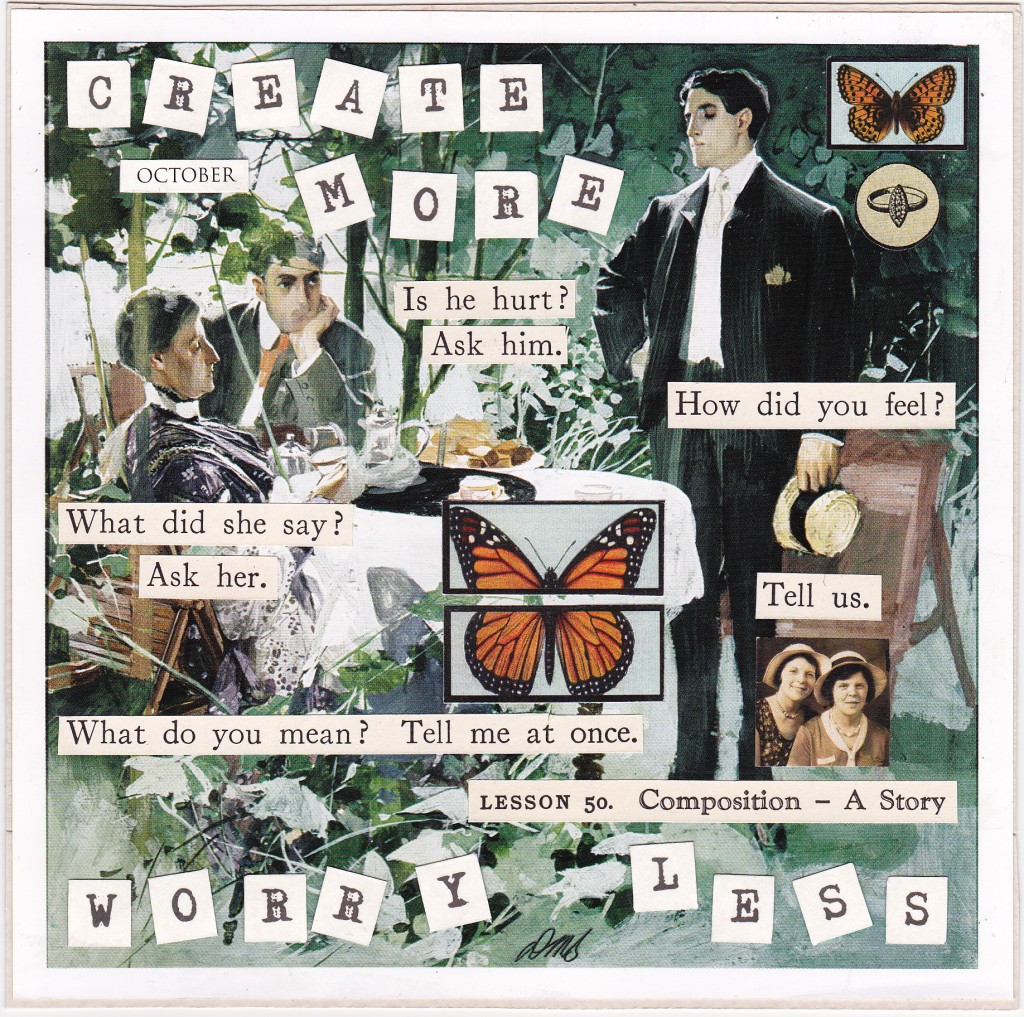
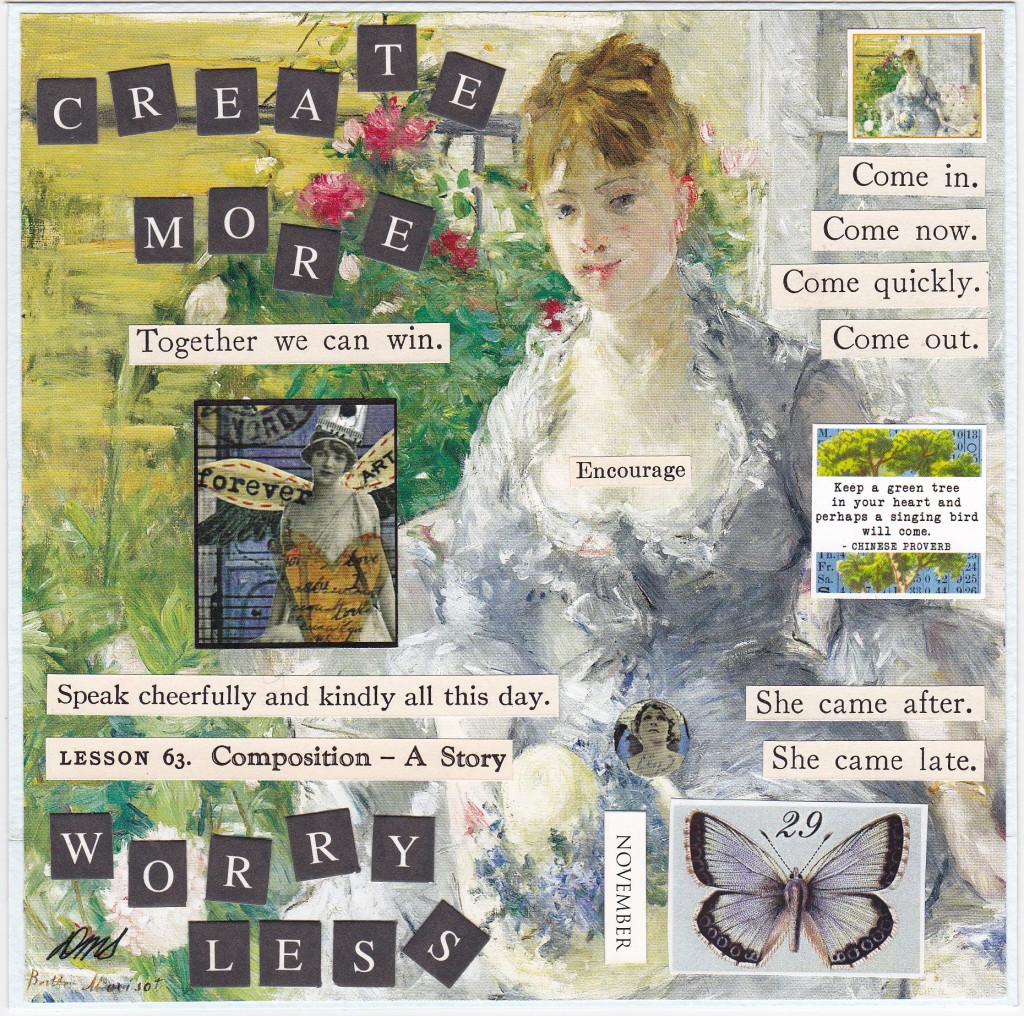
My interest in collage as an art form began twenty years ago when I was working on my first novel, In the Language of Love (1994). I chose to make my main character in that book a collage artist and, in doing research on the art of collage, I became more and more interested in creating some myself. I began with relatively simple pieces, hung them on my own walls, and gave them away to friends. I actually sold a few too. It was not a big leap then for a writer to think of putting collages in her next book. I had become very interested in the interaction between visual art and the written word, the different parts of the creative brain involved in creating the two art forms, and the similarities between collage and my written work. So my next book, Forms of Devotion (1998), was a collection of short stories illustrated with black and white pictures that were actually images from earlier centuries that had since gone into the public domain. This book went on to win the Governor General’s Award for English Fiction that year. In the following years, I published several other books, none with illustrations, but for all that time I was collecting all kinds of things that might someday be used in more complex collages. To be honest, what held me back from actually making the collages was my anxiety over what my agent and my editor were bound to say about the impossibility of actually publishing them. Finally I put aside my anxiety on that front and decided to do them anyway, without worrying about whether or not they would ever be published.
As with the stories in Forms of Devotion, sometimes the story came first and other times the pictures. In this particular case, I had the story first and created the collages later. The entire process of putting them together is done by the old-fashioned cut-and-paste method, one little bit at a time. This is very labour-intensive and more than a little time-consuming, but it is immensely satisfying. I don’t use PhotoShop or anything like that. The computer is important in the process though, as I use my scanner to copy anything that I want to preserve in its original state, and also to resize anything that doesn’t fit in the spot where I want to put it. The computer also allows me to reproduce anything on a transparency when I want to use that for a special effect. Some of the paper bits and pieces in the collages were purchased expressly for this purpose, while others were found by accident or searched out on purpose. I have also incorporated some three-dimensional objects, such as eyelets, sequins, stars, fancy paper clips, an actual watch face, and a piece of old jewellery. I also use felt pens, coloured pencils, and rubber stamps. I am especially fond of maps, both new and old, and have used these as the backgrounds for each piece.
—Diane Schoemperlen
.
I Am a Motel
ONE
All day driving west. The highway liquefies in waves of heat, dissolving over and over at the horizon.
VACANCY.
Pull in.
ALL ROOMS INCLUDE.
Check in.
AIR CONDITIONING.
Unlock the door.
Half the window is blocked by an air conditioner that generates more noise than relief.
KING BEDS.
Royal blue bedspread shiny and slippery.
Blood-red carpet matted and stiff. Leave your shoes on. Sleep in your socks so your bare feet never have to touch it.
A pattern of cigarette burns on the carpet between the two blue beds. Try to discern shapes in them the way (in another lifetime) you used to make shapes in the clouds.
Running away from home.
In fact, there was no running at all: no thudding of feet on concrete, no ducking behind hedges and parked cars, no leaping over white picket fences, no sweat dripping down forehead or torso, no grasping, no grunting, no vicious dogs drooling and panting in hot pursuit.
There was only the smooth steady purr of the car engine.
There was only the cryptic message stamped across the bottom of the mirror: Objects Are Closer Than They Appear.
There was only driving and caffeine and smoking and singing along with the car radio.
There was only ending up here.
DIRECT DIAL PHONES.
Nobody knows where you are.
Stare intently at the phone anyway, willing it to ring.
Here you are nowhere.
Here you are no one.
You thought you would like this more than you do.
.
TWO
She has never been fond of secrets. But now she has a big one.
He will be here in half an hour.
She waits in the bed. Naked.
He calls to say he’s on his way.
She waits in the bed some more.
He calls to say he’s not coming. He is whispering. His wife has come home early. He cannot get away after all.
She cries loudly for a long time although she’s sure the occupants of the rooms on either side can hear her. She doesn’t care.
She gets up and gets dressed. She sits in the chair by the window. There are six dead flies on the sill.
On the highway the lights stream festively red and white in both directions. It begins to rain.
The phone rings again but she doesn’t answer. She doesn’t care.
She swears she will never do this again.
She says it out loud a hundred times. She makes it a song.
She hopes the people on either side can hear this too.
Outside, it is still raining and the traffic is slower now. But still relentless.
THREE
An ancient rotary phone, the receiver as a big as a shoe, as heavy as a brick. Beside the phone is a collection of take-out menus.
He orders sweet and sour chicken balls, beef chow mein, four egg rolls, wonton soup. He is hungry.
He calls home. No answer save his own voice on the machine:
We cannot take your call right now….
Where is she?
He has been living in this room for two weeks.
All day he works on the highway in the heat. All night he eats fast food and calls home.
Please leave your name and number after the beep….
Where is she?
The phone is black. The bedspread is white chenille.
The drapes are gun-metal grey. He pulls them back and stares into the grill of his pickup truck as if it were a TV set.
The food comes. He gives the delivery boy a big tip. He eats.
He calls home.
We’ll call you back as soon as we can….
Where is she?

FOUR
All the doors are blue. All the numbers are black.
Outside each door is a coloured plastic tub chair: pink blue green red orange purple.
All the doors are closed. All the chairs are empty.
Enter when no one is looking.
ALL ROOMS HAVE BEEN RECENTLY REDECORATED AND FURNISHED.
The curtains are gold.
The carpet is blue.
The bedspread is red.
There are too many colours in this place.
COMPLETE WITH NEW BEDS AND LINEN.
All the sheets are white and scratchy.
This bed is too hard.
This bed is too soft.
This bed is just right.
All the pills are white too.
All my friends will miss me. They will be sorry. They will be sad.
All the people who were mean to me will feel guilty. They will wish they had been nice.
Everyone will be shocked.
Except me.
Everyone will be crying.
Except me.
FIVE
I begin the night in the bed by the window.
The sheets are limp with many washings. A three-cornered tear on the top sheet has been carefully mended by hand. They are tucked in so tightly they make my feet hurt.
I rip the bed apart.
I have a nightmare about rats chewing on my toes.
I move to the other bed.
The spread is patterned with bears, ducks, pine trees, a brown moose with green antlers, a red wolf howling at a blue moon.
I roll it into a haphazard ball and throw it on the floor.
I have a nightmare about being eaten by a grizzly bear.
I move back to the bed by the window.

SIX
He paid cash for a room at the back and parked the car behind.
He unlocked the door and went in.
He put the chain on the door and set his bag on the bed by the window.
He pulled a bottle from the bag, got a glass from the bathroom, half-filled it with rum.
He took a can of Coke from the minibar and topped up the glass.
He took the gun from his bag, wiped it with the pillowcase, slid it between the mattress and the boxspring of the other bed.
He turned on the television and watched the news.
They showed the outside of the bank, the inside, the teller in her hospital bed. They said she would recover.
He watched a game show and counted the money twice.
He fixed himself another drink and went into the bathroom.
He had a shower and a shave.
He put on clean clothes and lay down on the bed by the door.
He could not feel the gun beneath him.
SEVEN
The bathroom light switch automatically also turns on the fan which roars like a jet engine. The fluorescent bulb flickers and hums.
The floor, the walls, and the ceiling are all tiled in pink.
The water glasses are wrapped in paper, also the soap, a miniature waxy rectangle that smells like citronella.
The towels, which might once have been white and fluffy, are now grey and threadbare.
The rubber mat, also grey, hangs over the side of the tub.
The bottom of the shower curtain is best not examined too closely.
I will not have a shower anyway.
I have seen Psycho too many times.
EIGHT
The red light on the phone is flashing. It is a message for Dave.
In fact, there are four messages for Dave, each one increasingly frantic.
Dave, it would seem, is long gone, but someone named Julie is still looking for him.
There are other signs of Dave.
The television set is tuned to the sports channel, a basketball game now in progress.
The alarm clock is set to 5:00 a.m.
There is a single black sock in a ball in one corner.
The whole room smells of fried eggs and burnt toast.
In the bathroom there are half a dozen long brown hairs in the tub. This is probably something Julie should know about.
Also the silver earring glinting on the floor behind the toilet.

NINE
A desperate pounding on the door in the middle of the night. A man’s voice calling for Shirley.
Let me in, let me in, God damn you, woman, let me in.
He moves on down the row one door at a time, pounding, calling, cursing.
I know you’re in there, Shirley, let me in or I’ll kill you.
Hold your breath.
Put the pillow over your head.
Pretend your name is not Shirley.
The toilet next door flushes many times. Then the occupant decides to have a shower at 3:26 a.m.
Followed by more toilet flushing.
Put the pillow over your head.
The television set in the room on the other side blares all night on the music channel.
Put the pillow over your head.
A dog barks.
PETS WELCOME.
A baby cries.
CHILDREN STAY FREE.
Put the pillow over your head.
The pillow is hot and sour.
Now the sun is rising. It too is hot and sour.
TEN
Concrete-block wall painted a muddy mint green. So ugly but so cool when she pressed her cheek against it.
And later, cooler still, when he pressed her back against it and covered her body with his.
He told her he loved her.
She laughed in his face.
He didn’t seem to mind.
Now he is sound asleep beside her.
The tattoo on his left arm says DORIS.
Any minute now he will be snoring.
The numbers on the bedside clock roll over silently like the numbers on the odometer in the car.
How far away is home?
How far away is morning?
Even with her eyes closed, she thinks she can see the aura of the red numbers glowing the way the sun shows through your eyelids on an August afternoon at the beach.
It is not August.
It is not afternoon.
This is not the beach.
This is not her life.
This time she cannot even remember his name.
ELEVEN
Snowstorm.
Ice pellets.
Freezing rain.
All flights grounded.
FREE SATELLITE CHANNELS.
The television set squats on a metal swiveling stand. I can’t figure out how to work it.
Or the thermostat either.
FREE LOCAL CALLS.
I look through the phone book. The columns of names are hypnotic, like found poems. I know no one here.
I thumb through the bedside Bible which does not appear to have ever been opened before.
It tells me nothing.
At the moments I do not believe in God.
HEATED OUTDOOR SWIMMING POOL!
I sit on the edge of the bed in my bathing suit and my bare feet.
I am shivering.
I should be in Hawaii by now.
TWELVE
He put his shaving kit on the counter beside the sink.
She organized her toiletries beside it.
They put their toothbrushes together in a glass.
Hers was a brand-new battery-powered fancy one with a purple handle.
His was an ordinary green one with a dentist’s name stamped in gold on the handle, the bristles worn down and splayed.
He had forgotten to bring toothpaste but she has some.
In front of the mirror, she brushed her teeth and combed her hair while he stood behind her in the doorway watching.

THIRTEEN
Do the right thing.
Dial the number and.
ALL CREDIT CARDS ACCEPTED.
Dial the number and.
No.
Dial the number and.
No.
Hang up.
VERY REASONABLE RATES.
Smoke another cigarette.
Try not to think about the blood.
Dial the number and hang up.
DAILY WEEKLY MONTHLY.
Smoke another cigarette.
Try not to think about the sound.
Dial the number and hang up.
FRIDGES.
FREE ICE.
COMFORTABLE BEDS.
Do the right thing.
Dial the number
It is ringing.
Do the right thing.
Speak of anger.
Speak of sorrow.
Speak of regret.
Do the right thing.
Turn yourself in.
FOURTEEN
I am tired of making sense.
I am tired of telling stories: mine, yours, ours, theirs.
I am tired of knowing that everyone has a story: the world is too crowded with stories.
I am tired of talking.
I am tired of not talking.
I am tired of the colour of the kitchen walls.
I am tired of the look of the folds in the living room drapes.
I am tired of letting the cats in at bedtime.
I am tired of walking the dog at dusk.
I am tired of understanding.
I am tired of being understood.
I am tired of you being you.
I am tired of me being me.
Here I am no one.
Here I am nowhere.
Here I can finally stop thinking and sleep.

—Diane Schoemperlen
.